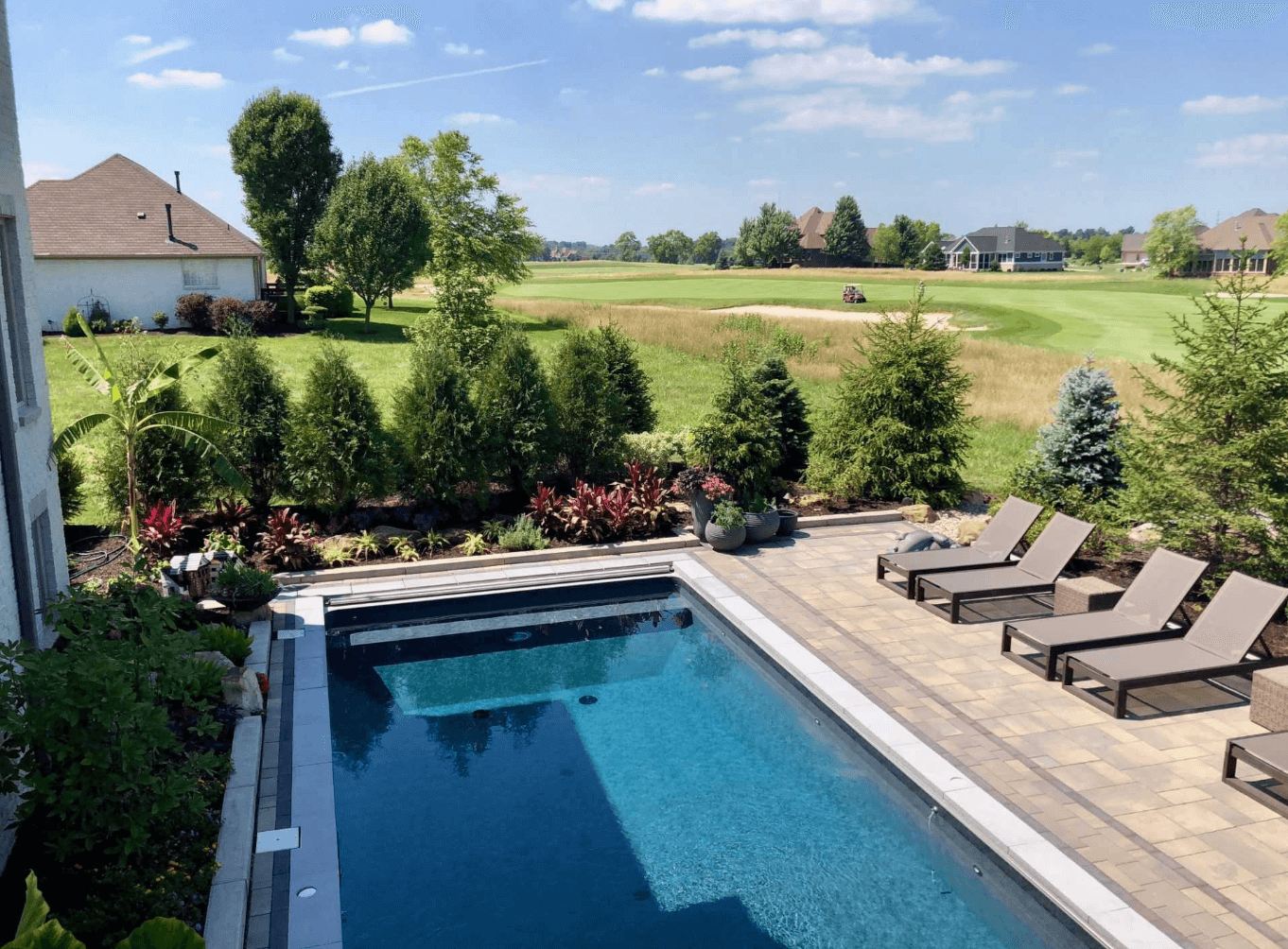
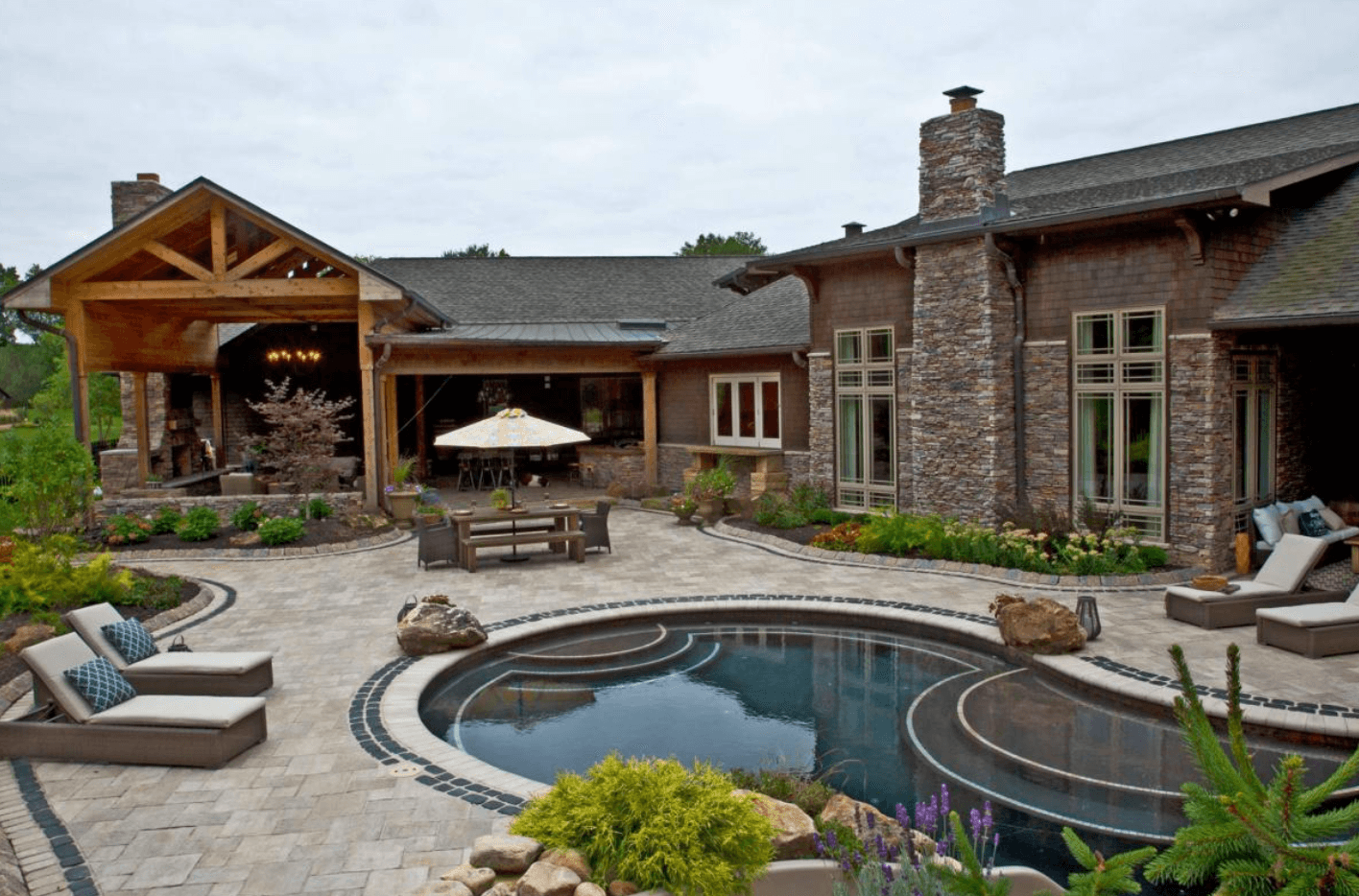
Planning a pool, patio, or fire feature in Indianapolis takes more than just picking a style you like. Your project needs careful thought about permits, drainage, safety codes, and materials that stand up to Midwest weather. Getting these details right means your outdoor space will bring lasting comfort and style. Keep reading to learn the essential steps for a successful custom pool design Indianapolis homeowners trust.
Key Planning Steps for Outdoor Projects
Creating the perfect outdoor space is an exciting journey. However, it requires careful planning. From design to budgeting, these are the essential steps to ensure your project succeeds.
Important Design Considerations
The first step in designing your outdoor area is understanding your needs and preferences. Think about how you want to use the space: Is it for relaxing, entertaining, or both? Consider the size and shape of your yard, as well as the natural elements already present. Integrating these into your design can create a harmonious look. Choose features like patios, pools, or fire pits that enhance your lifestyle while complementing your home.
A well-thought-out design not only looks good but also functions well. For example, placing a fire pit too close to seating can make it uncomfortable on warm days. It’s also important to consider pathways and access points around your yard. This ensures that your space remains practical and enjoyable for everyone.
Navigating Permits and Approvals
Understanding local regulations is crucial when planning outdoor projects. In Indianapolis, permits are often required for additions such as pools or large patios. It’s wise to check with your local zoning office to understand these requirements. They can guide you on the necessary steps and paperwork needed to get approvals.
If you live in a community with a Homeowners Association (HOA), you might need their approval too. HOAs often have rules about the type and style of modifications allowed in a neighborhood. Failing to get the proper permits can lead to fines and require you to alter completed work.
Budgeting for Your Project
Setting a budget is key to managing your project successfully. Start by listing all the elements you want to include, such as a pool, patio, or fire pit. Then, research the costs associated with each feature. Remember to factor in labor and materials, as well as any potential permit fees.
It’s also a good idea to set aside a contingency fund for unexpected expenses. This could be around 10-15% of your total budget. Having this buffer can help you avoid stress if surprises arise during the project.
Material Selection and Safety
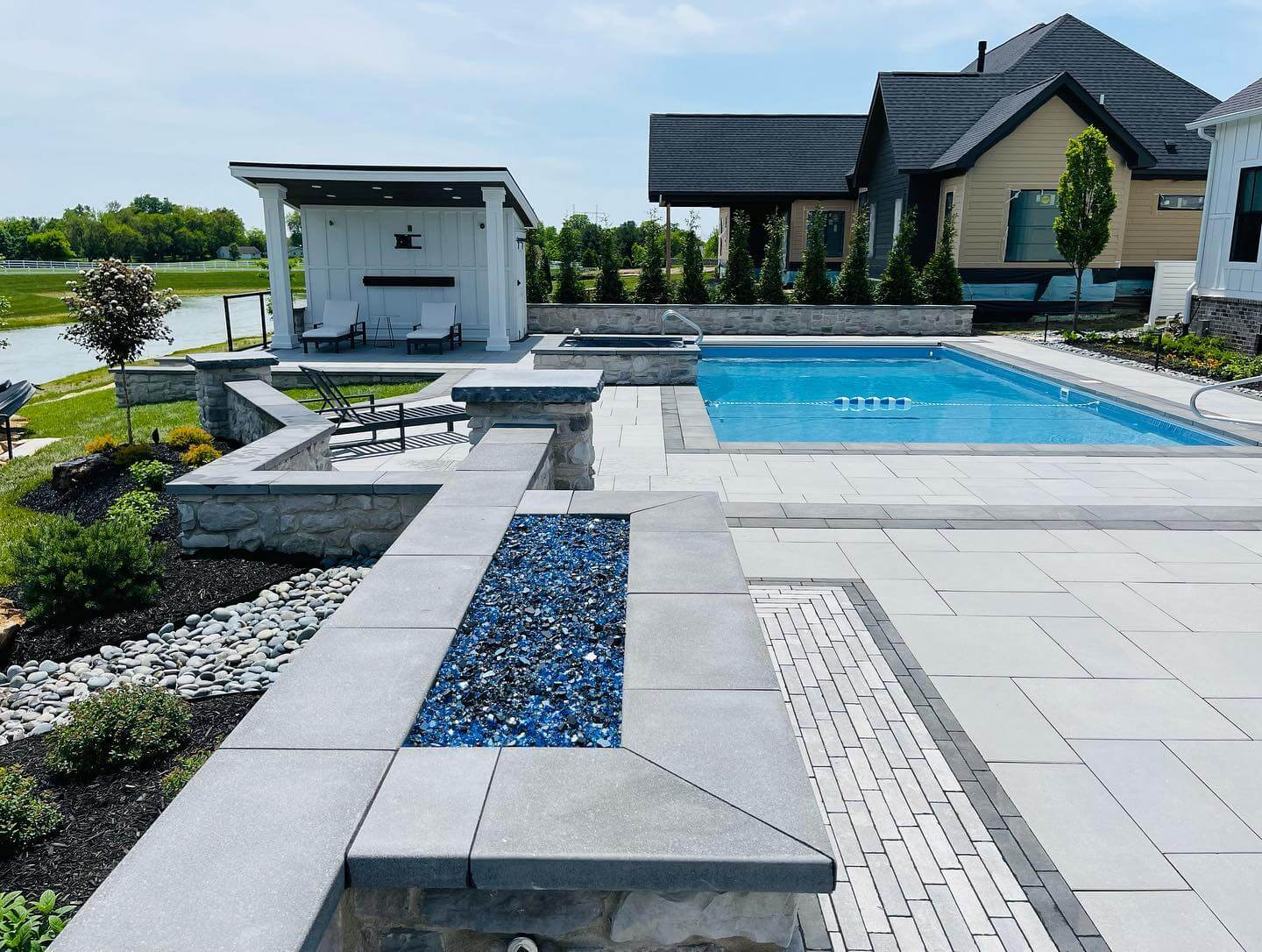
Choosing the right materials can make a big difference in the durability and safety of your outdoor space. Ensure your selections can withstand Indiana’s seasonal changes.
Choosing Durable Materials
When selecting materials, durability is key. The Midwest climate can be harsh, with weather ranging from hot summers to freezing winters. Opt for materials that can handle these fluctuations, such as concrete or natural stone for patios. These options offer both longevity and aesthetic appeal.
For pool areas, consider non-slip surfaces like textured pavers. They provide safety without sacrificing style. Additionally, using high-quality materials can reduce maintenance needs over time, saving you money and effort.
Ensuring Safety and Compliance
Safety is a top priority in any outdoor project. This includes installing proper barriers around pools and ensuring fire pits meet local safety standards. It’s essential to follow guidelines for gas and electrical installations, especially for features like outdoor kitchens or lighting.
You can also enhance safety by planning for adequate lighting. Low-voltage outdoor lighting can illuminate walkways and highlight key features while being energy efficient. Read more about fire pit safety to ensure your backyard is not only beautiful but also secure.
Sustainable and Low-Maintenance Options
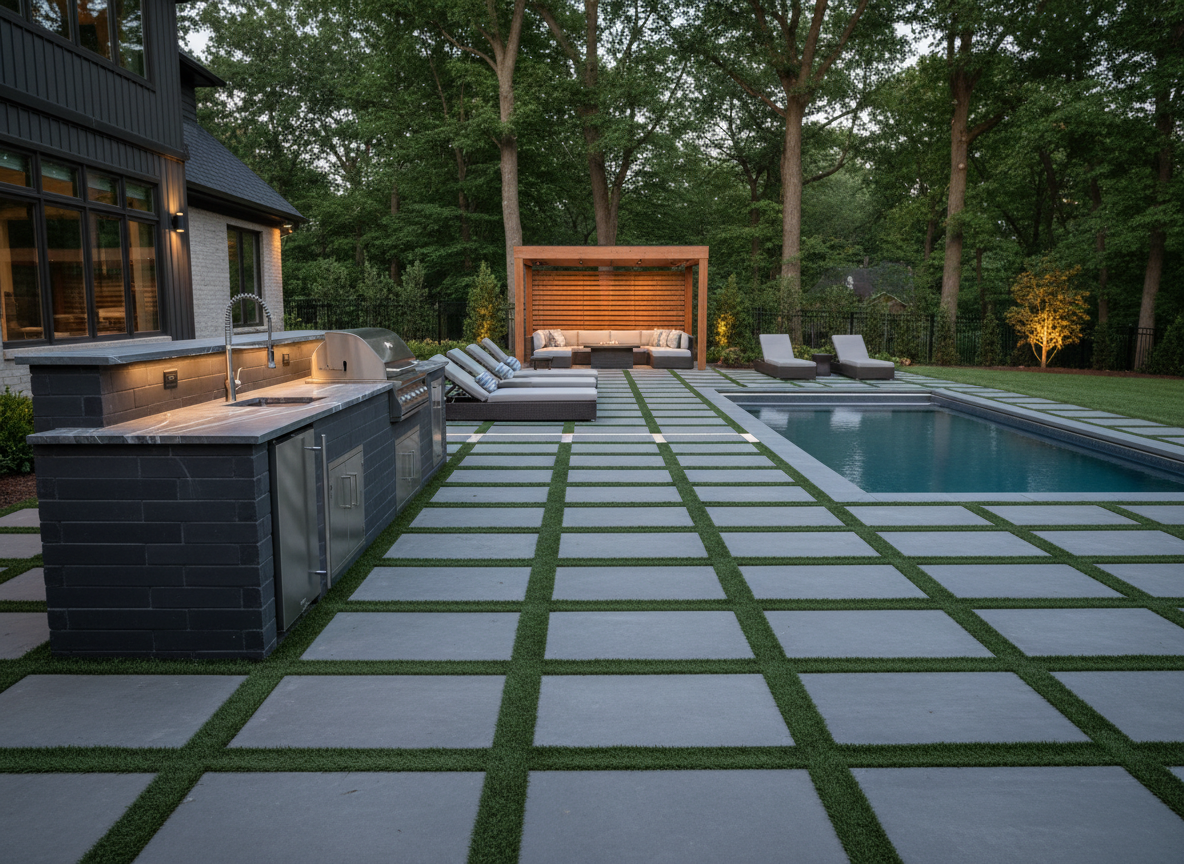
Incorporating sustainable elements into your design not only benefits the environment but can also reduce upkeep costs. Here’s how you can make your outdoor space eco-friendly and easy to maintain.
Benefits of Sustainable Landscaping
Sustainable landscaping focuses on using native plants and materials that require less water and maintenance. This approach can help conserve resources and reduce your environmental footprint. Native plants, for example, are adapted to local conditions and often need less watering.
Using permeable pavers for patios and walkways is another excellent choice. They allow rainwater to seep into the ground, reducing runoff and helping the water table. This can be both a practical and environmentally friendly solution.
Low-Maintenance Design Features
Designing for low maintenance doesn’t mean compromising on beauty. For instance, choosing hardy plants or artificial turf can keep your yard looking lush with less effort. Many homeowners find that these options free up their time for other activities.
Consider installing drip irrigation systems for efficient watering. These systems deliver water directly to plant roots, minimizing waste. This not only saves water but also encourages healthier plant growth.
Frequently Asked Questions
What permits do I need for a pool in Indianapolis?
You typically need a building permit for installing a pool. It’s important to check with the local zoning office for specific requirements and processes.
How can I make my outdoor space more sustainable?
Use native plants and permeable materials. These help reduce water usage and manage stormwater naturally.
What are some safety tips for outdoor fire features?
Ensure your fire pit is placed on a non-flammable surface and is a safe distance from structures. Regularly check gas lines or fuel sources for any leaks or damage.