Planning a patio, pool, or fire feature in your Indianapolis backyard takes more than picking a style you like. You need to weigh budget limits, local permits, and how your land handles drainage before starting. Getting these details right saves headaches and turns your outdoor living spaces into a stunning retreat you’ll enjoy for years. Read on to learn what every homeowner should know before building and why working with a landscape designer Indianapolis trusts makes all the difference. For more safety tips when planning your fire feature, check out this guide.
Planning Your Outdoor Space
Creating a beautiful outdoor space is about more than just style. Let’s dive into the essentials: budget, site conditions, and permits.
Budget and Cost Considerations
Your first step in planning is setting a realistic budget. Costs can vary widely based on materials and design complexity. For instance, a paver patio might range from $15 to $50 per square foot, depending on the materials and labor involved. Always leave room for unexpected expenses. It’s wise to get multiple quotes from professionals to ensure competitive pricing. Remember, cutting corners could mean higher costs down the road.
To make the most of your investment, prioritize features that add value and joy to your outdoor living spaces. An outdoor kitchen might seem like a luxury, but it can enhance family gatherings and increase property value. Consider what will make your space enjoyable and functional for years to come.
Site Conditions and Evaluation
Understanding your site is crucial. Not all land is ideal for every type of installation. Factors like soil type, slope, and drainage can affect both the cost and feasibility of your project. A detailed site evaluation can save you from costly mistakes.
For example, clay soil might require additional drainage solutions to prevent water buildup. Working with a knowledgeable contractor ensures that your site is properly assessed and prepared. They will consider factors such as sunlight exposure and wind patterns to recommend the best placement for your features.
Permits and Zoning Requirements
Navigating permits and zoning laws can be tricky, but it’s essential to avoid fines and delays. Each area has specific rules regarding structures, so it’s important to check local regulations early in your planning process. This includes setbacks, maximum heights, and even the types of materials allowed.
Hiring a professional who understands these regulations can streamline the process. They will handle the paperwork and ensure your project complies with all legal requirements. This step is crucial in preventing future complications and ensuring your outdoor space is built to last.
Designing Elegant Features
Now that you have a solid plan, it’s time to design the features that will make your outdoor space truly unique.
Custom Patio Design Tips
A patio is more than just a place to sit—it’s the heart of your outdoor living area. When designing your patio, consider the overall flow and how it connects with the rest of your home. A well-designed patio should feel like a natural extension of your indoor space.
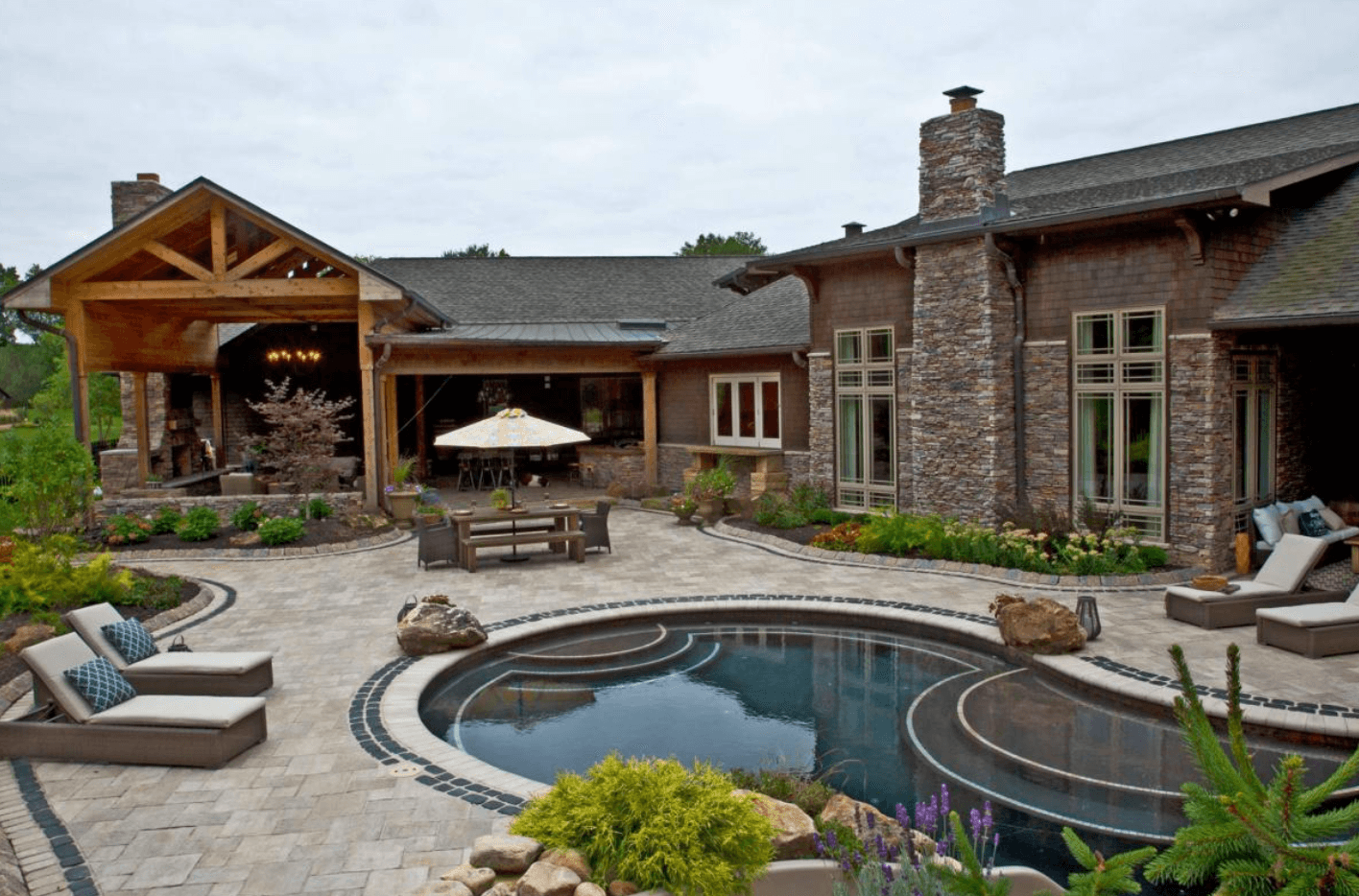
Choose materials that complement your home’s style. A natural stone patio provides a timeless look, while concrete pavers offer versatility and durability. Consider incorporating multiple levels or built-in seating to add interest and functionality. Lighting is another key element that can enhance the ambiance and usability of your patio.
Luxury Pool Landscaping Ideas
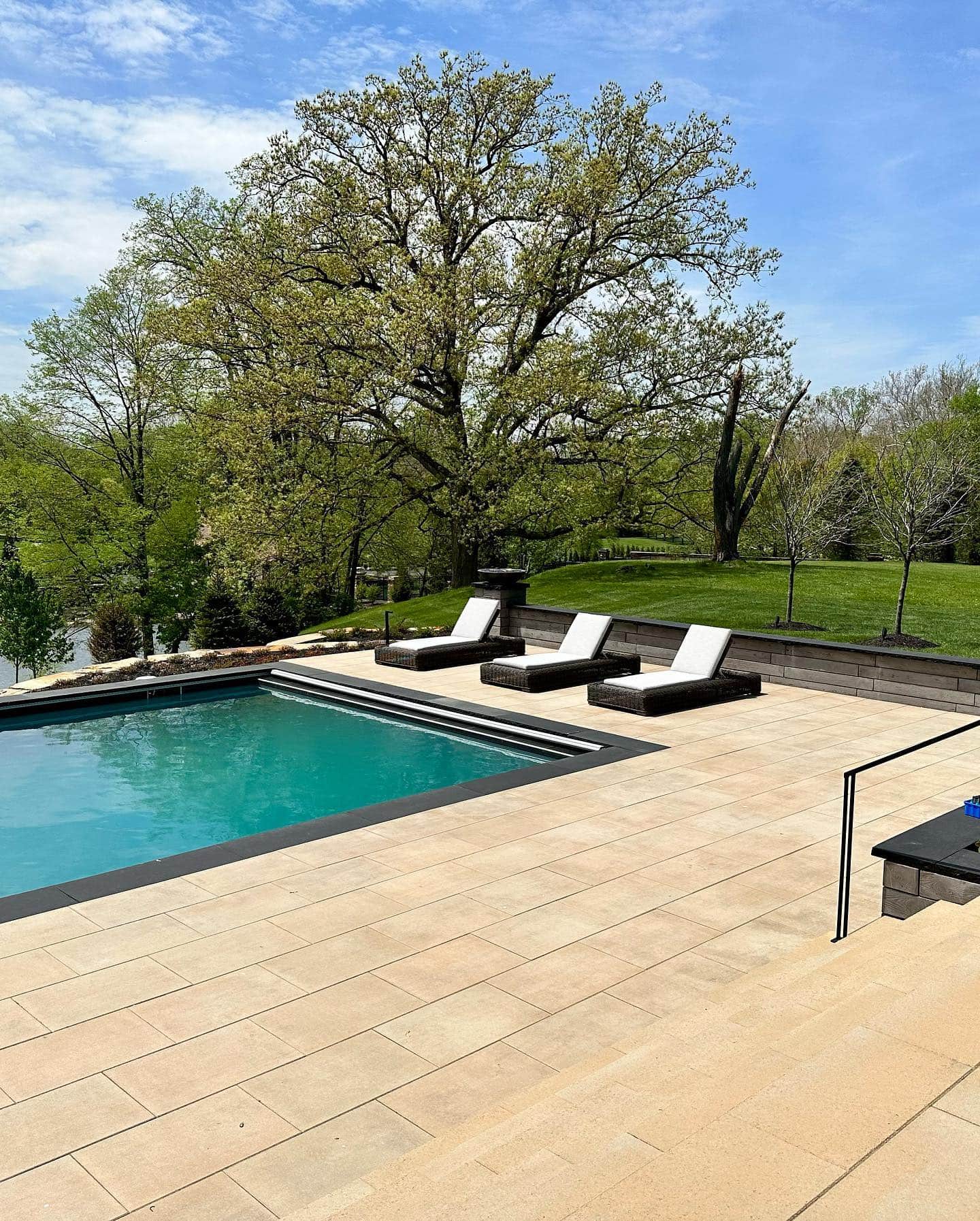
A pool transforms your backyard into a private oasis. When planning your pool, consider how it will fit with your landscape. Surrounding your pool with lush greenery or natural stone can create a seamless blend with the environment.
Think about including features like waterfalls or poolside lighting to enhance the luxury feel. Safety is also a major consideration—make sure to include secure fencing and non-slip surfaces. For more ideas and safety tips, visit this fire feature guide.
Fire Pit and Fireplace Options
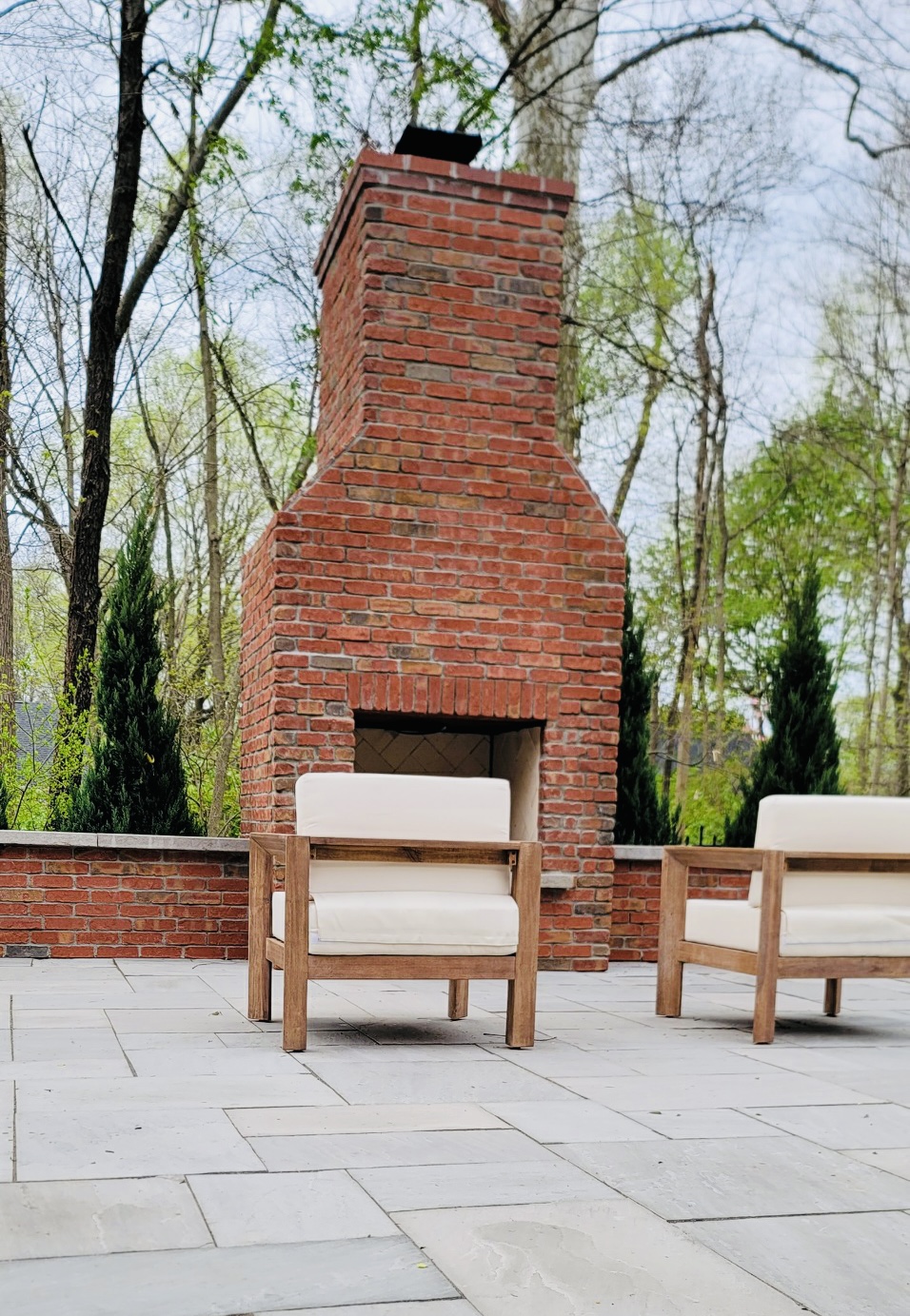
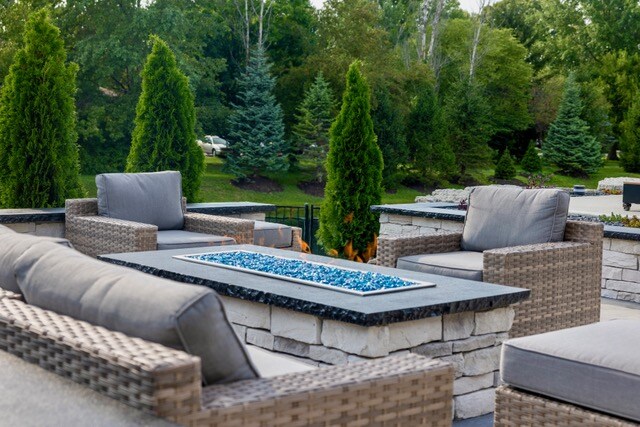
Adding a fire feature extends the usability of your outdoor space into cooler months. Decide between a fire pit or a fireplace based on your space and needs. Fire pits are great for gatherings and can be placed centrally, while fireplaces provide a focal point and offer wind protection.
Consider the fuel type: wood-burning options provide a classic feel, but gas features are cleaner and easier to maintain. Safety should be a top priority—ensure there is adequate space and proper installation. For more safety tips, check out this fire pit safety guide.
Building for Sustainability
Sustainable features not only benefit the environment but can also save you money in the long run.
Drainage and Grading Solutions
Proper drainage prevents water damage and prolongs the life of your outdoor features. Solutions like French drains or permeable pavers help direct water away from structures. Grading should be done with care to ensure that water flows away from your home and into designated areas.
Working with experts who understand drainage and grading solutions is crucial. They will design a system tailored to your specific site conditions, preventing issues like erosion and standing water.
Eco-Friendly Material Choices
Choosing sustainable materials can reduce your environmental impact. Opt for recycled or locally sourced products to minimize your carbon footprint. Sustainable landscaping often includes using native plants, which require less water and maintenance.
Permeable materials for patios and driveways reduce runoff and are better for the environment. Consider solar-powered lighting to further enhance your eco-friendly outdoor space.
Safety and Timeline Planning
Safety is paramount in any landscaping project. Ensure all structures are built to withstand local weather conditions and are compliant with safety standards. Proper planning also involves setting realistic timelines to avoid rushed decisions and ensure quality work.
Factor in the time needed for each stage of the project, from design to installation. Communicate with your contractor regularly to stay informed on progress and make adjustments as needed.
By considering these elements, you’ll create an outdoor living space that is both beautiful and functional, tailored to your lifestyle. Contacting a professional hardscape contractor in Indianapolis can help bring your vision to life with expertise and care.