
Search


Stop wasting water and energy on outdoor spaces that don’t deliver. Your Indiana yard can be both stunning and smart with eco-friendly landscaping Indiana homeowners trust. From native plants to drip irrigation systems, these techniques cut costs and boost curb appeal. Keep reading to find out how to create a sustainable landscape design Indianapolis neighbors will admire—and how Country Gardens Landscaping can craft yours. For more information on outdoor savings, visit this link.
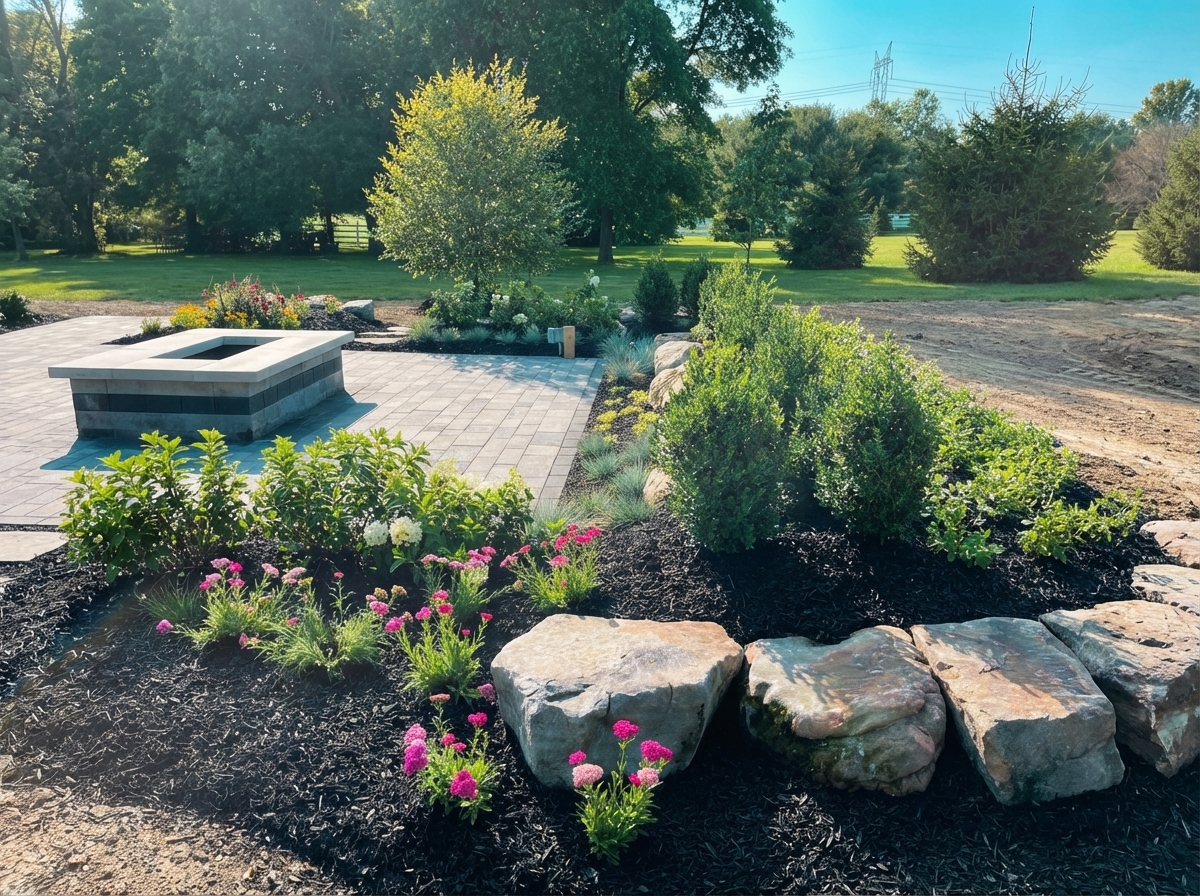
Starting your landscape transformation begins with a focus on water conservation. By being smart with water usage, you not only help the environment but also reduce your utility bills. Let’s dive into some effective methods to achieve a sustainable yard.
Choosing native plants is a great step. These plants are already adapted to Indiana’s climate, which means they require less water and care. Think of species like Butterfly Weed and Purple Coneflower. These not only save water but also attract local wildlife.
Plus, native plants are more resistant to pests, reducing the need for chemical treatments. If you’re interested in more eco-friendly gardening tips, check out the Ecological Garden Maintenance guide.
If you’re looking to cut down on watering, consider drought-tolerant plants. Sedums and Rattlesnake Master are excellent choices for Indiana yards. They thrive in dry conditions and add unique textures to your garden.
Drought-tolerant plants often come with colorful blooms that enhance your yard’s beauty. It’s like having a garden that takes care of itself. Imagine the time you’ll save! For additional details on water conservation, visit Citizens Energy Group.
Drip irrigation is a smart way to water your plants. It delivers water directly to the roots, minimizing waste. This method can save up to 70% more water than traditional systems.
With drip irrigation, you ensure each plant gets the right amount of moisture without oversaturating the soil. It’s an ideal solution for those wanting an efficient and low-maintenance garden.
Reducing energy use in your garden doesn’t stop at water. Smart design choices can significantly lower your energy consumption. Let’s explore a few options that can make a difference in your landscape.
Integrate technology into your garden with smart irrigation controllers. These devices adjust watering schedules based on weather conditions, ensuring optimal water use. They save not only water but also energy.
Imagine controlling your irrigation system with just a tap on your smartphone. It’s efficient and convenient, making it a top choice for modern gardens. Read more on energy-saving landscaping ideas here.
Lighting is essential for safety and aesthetics. Opt for LED lights, which use up to 80% less energy than traditional bulbs. They provide bright illumination without hiking up your energy bill.
LED lights come in various styles to suit your design preferences. Whether it’s pathway lights or accent fixtures, LEDs offer both efficiency and elegance. A well-lit garden not only looks stunning but also enhances security.
Planting shade trees is a natural way to keep your home cool during hot months. Species like Sugar Maple and Tulip Tree are perfect for Indiana. They provide ample shade, reducing the need for air conditioning.
Trees also improve air quality and add to your yard’s beauty. The longer you wait to plant them, the longer it takes to reap the benefits. Start now and enjoy a cooler home environment.
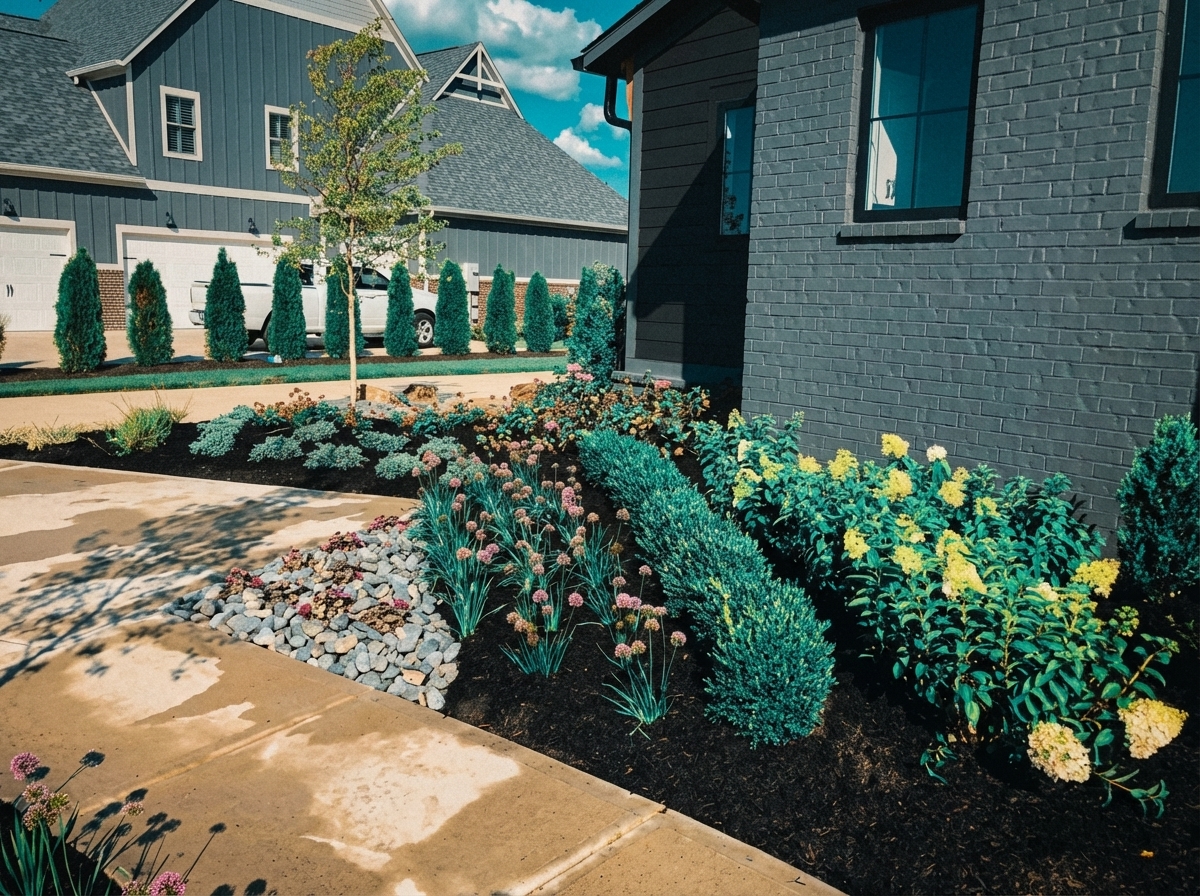
Creating a landscape that’s both functional and beautiful is key to boosting your home’s value. Here are some ideas to enhance your curb appeal while being environmentally conscious.
Permeable pavers provide a stylish look while managing stormwater effectively. They allow water to seep through, reducing runoff and preventing waterlogging. It’s a practical choice for walkways and driveways.
These pavers come in various designs and colors, so you can choose what best complements your home. In Indianapolis, they’re a popular choice for sustainable landscape design. Learn more about stormwater management solutions in Indiana here.
Rain gardens are not only visually striking but also serve a crucial role in water management. They collect rainwater runoff, filtering it naturally through soil and plant roots. This reduces erosion and improves water quality.
Design your rain garden with a mix of native and flowering plants to create a vibrant, functional space. It’s a creative way to support local ecosystems while enhancing your yard’s appeal.
Consider adding outdoor structures like pergolas and pavilions to extend your living space. These features provide shade and can be customized to suit your style. They create perfect spots for relaxation and entertaining.
Customized outdoor living spaces not only look great but also add significant value to your home. Imagine hosting family gatherings or simply enjoying a quiet evening under a beautifully crafted pergola in Indianapolis.
By choosing sustainable practices, you create a yard that’s both eco-friendly and appealing. Whether you’re looking to save water, cut energy costs, or boost your home’s curb appeal, these techniques offer a path to achieving your landscape dreams. Ready to transform your yard? Consider partnering with experts to bring your vision to life.
www.countrygardenslandscaping.com
